

Viviënne van de Walle
When a paraplegic device trial had recruited three patients in two years, Viviènne van de Walle got twelve in six weeks - by sending home nurses instead of asking patients to travel. "Behind the patient number is a person hoping for another tomorrow," she says - she knows, because she lived it.

Leanne Woehlke
When Leanne Woehlke's husband was diagnosed with a rare, aggressive cancer, she went from working inside clinical research to navigating it as a caregiver overnight - and the gap between what professionals assume patients understand and what they actually experience became impossible for her to ignore.

Briana White
Ask Briana White what a "real" patient looks like and she won't give you a demographic - she'll describe a life: the jobs, the caregiving, the missed visits, the friction protocols pretend doesn't exist. From the coordinator's seat, she's spent her career arguing that trials should be built for those people.

Rebecca Kottschade
Becky Kottschade's work isn't in the lab - it's in the systems that decide who can take part. At Mayo Clinic she leads Clinical Trials Beyond Walls, flipping the usual question from "can the patient come to the trial?" to "what if the trial came to the patient?"
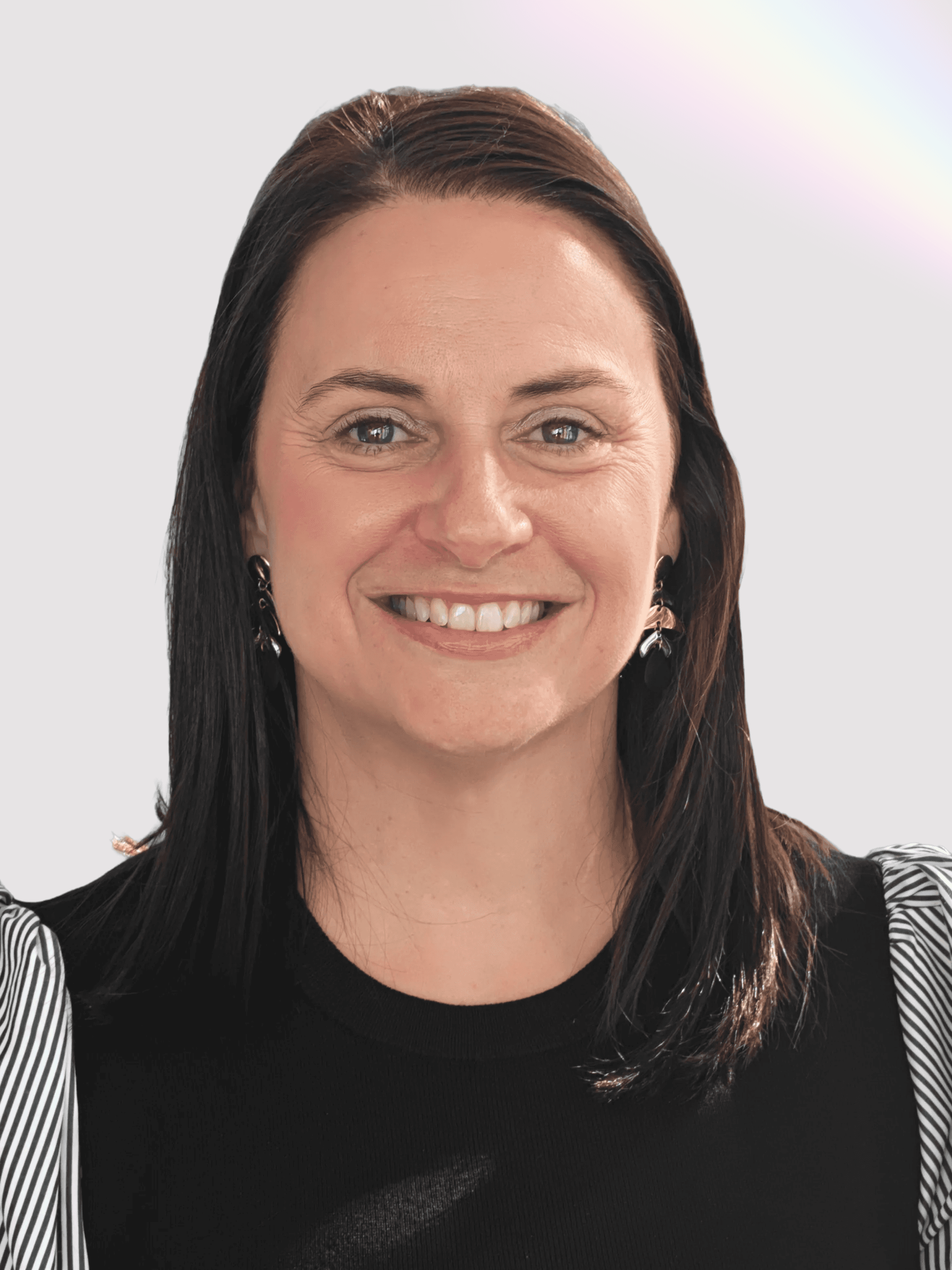
Jenn Curry
Jenn Curry has spent her career being the patient voice inside the room where the business pressures are loudest. Her team once built an end-of-study survey they thought patients would want - then scrapped it after learning how long and how draining those visits already were. Her rule for patient-centricity is deceptively small: start with a single conversation, then close the loop.

Jeanne Regnante
A marketing director once told Jeanne Regnante that her push for better representation was slowing innovation down. Thirty years in, she's still answering that - building ONE in a MILLION, a national initiative that treats patients not as trial participants but as co-creators of the system itself.

Wenora Johnson
Wenora Johnson is a three-time cancer survivor who didn't wait to be recruited - she sought trials out, then volunteered to join the research teams themselves. Her reframe of the whole campaign: don't look for unicorn patients, make cancer the unicorn.
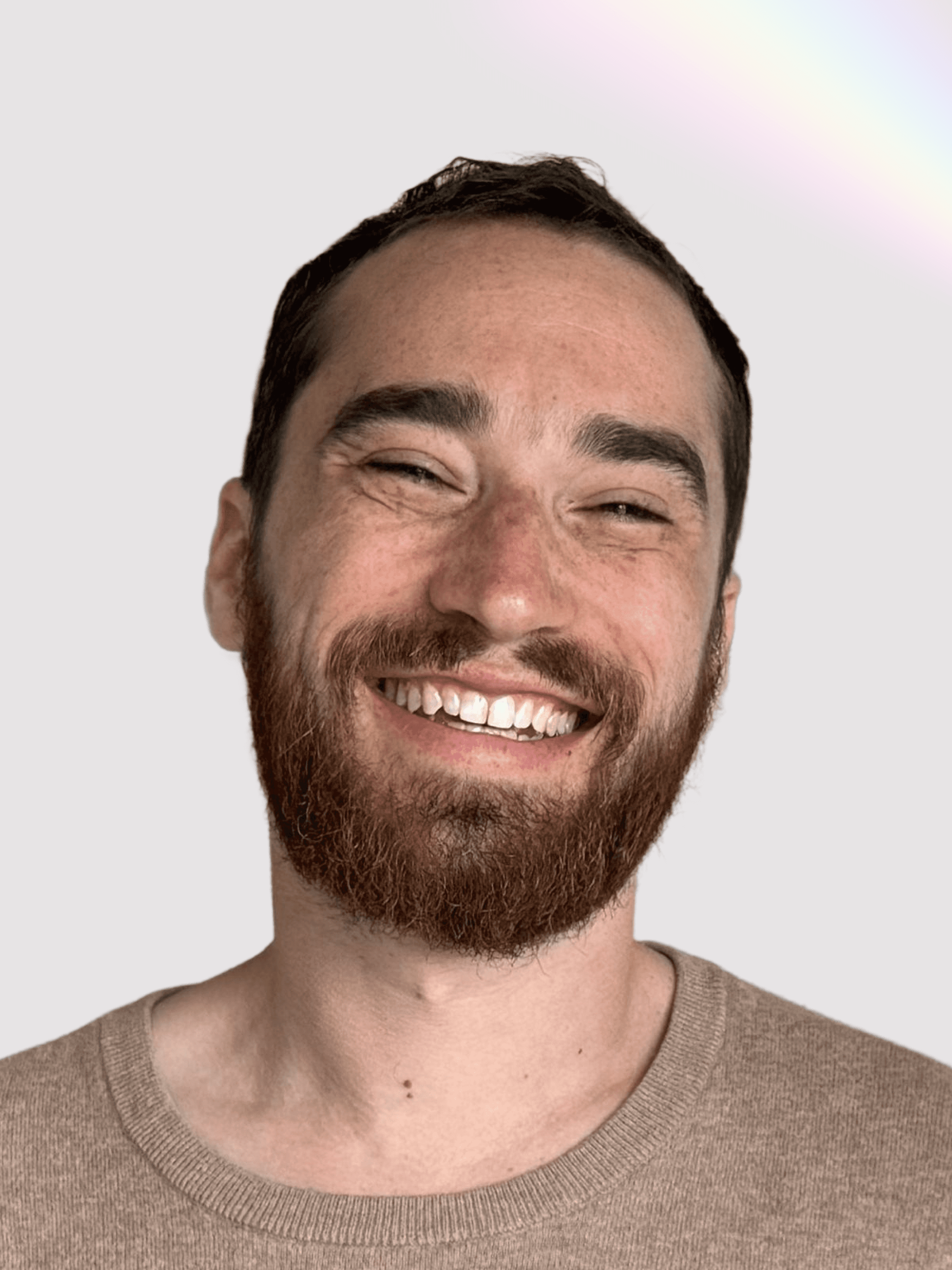
Aaron Horowitz
Aaron Horowitz argues that emotional readiness - not logistics - is the real leading indicator of whether a patient stays in a trial. He turned that insight into Empath Labs, whose companions help 188,000 children rehearse the injections, blood draws and scans of a trial before they ever face them for real.

Victoria DiBiaso
Vicky DiBiaso will be the first to tell you she's not a unicorn - just "one voice in an army." With nearly 30 years in drug development, she leads patient-driven medicines development at Sanofi, where every trial is now pressure-tested by patients before it launches.

Daniel Perez
When a non-English-speaking patient had 30 days to enrol in a sight-saving program built in English, Daniel Perez built the interpreting and logistics from scratch to get her in. She finished the trial with her sight back - and made it to her son's graduation.

Alyssa Beck
When Alyssa Beck reviewed a birth control protocol that required IUD placement with no mention of pain relief, what stunned her most was that it had come that far without anyone questioning it. Her test for every protocol since: would you ask someone you love to do this?
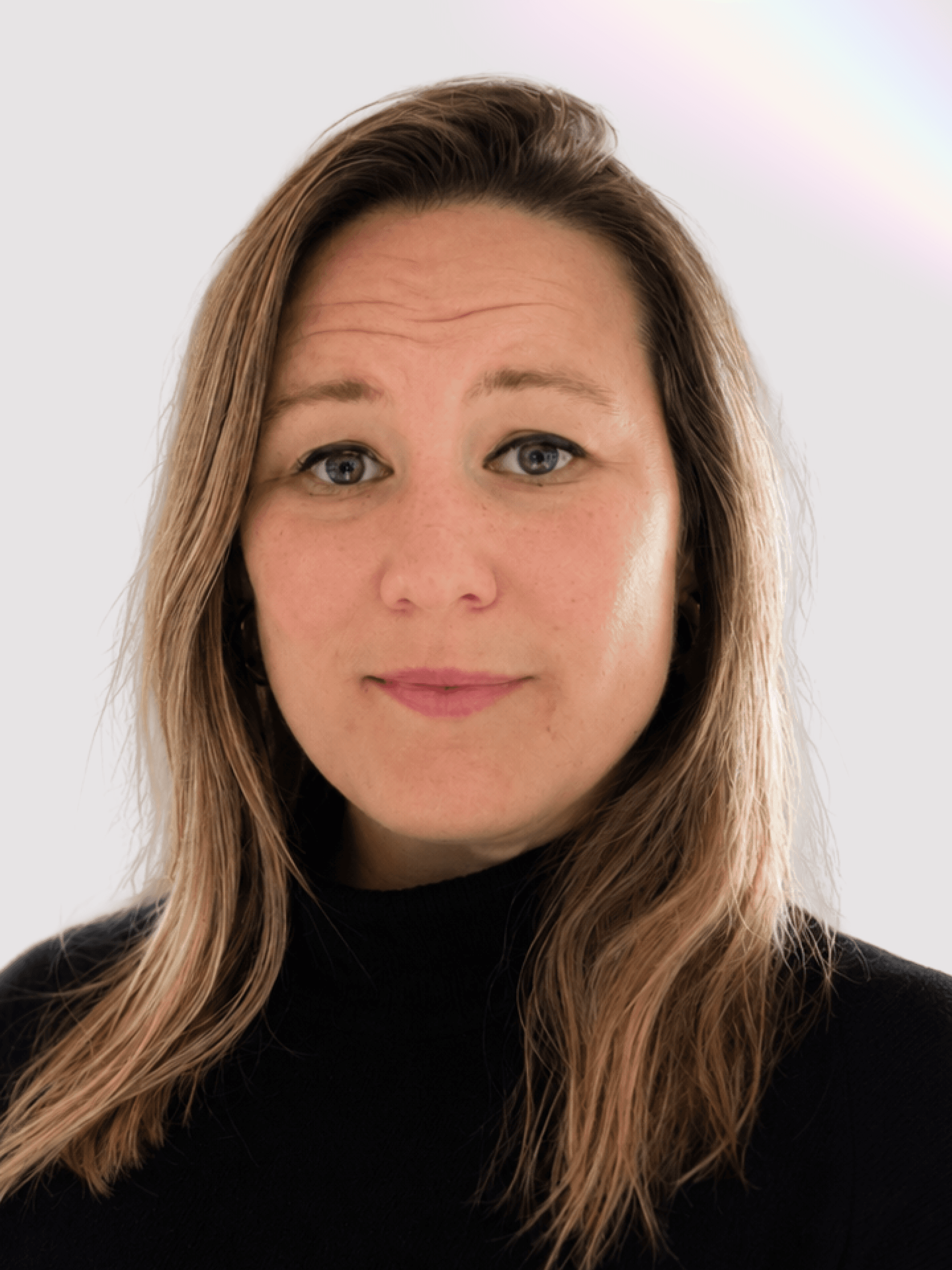
Robina Weermeijer
At a patient advisory board, one patient stopped Robina Weermeijer with a piece of advice she didn't expect: "If this works, you really have to prepare the patients." People who had been planning to die now had to plan for careers, marriages, homes - and trials rarely prepare them for that. Robina builds the listening that catches what spreadsheets miss.
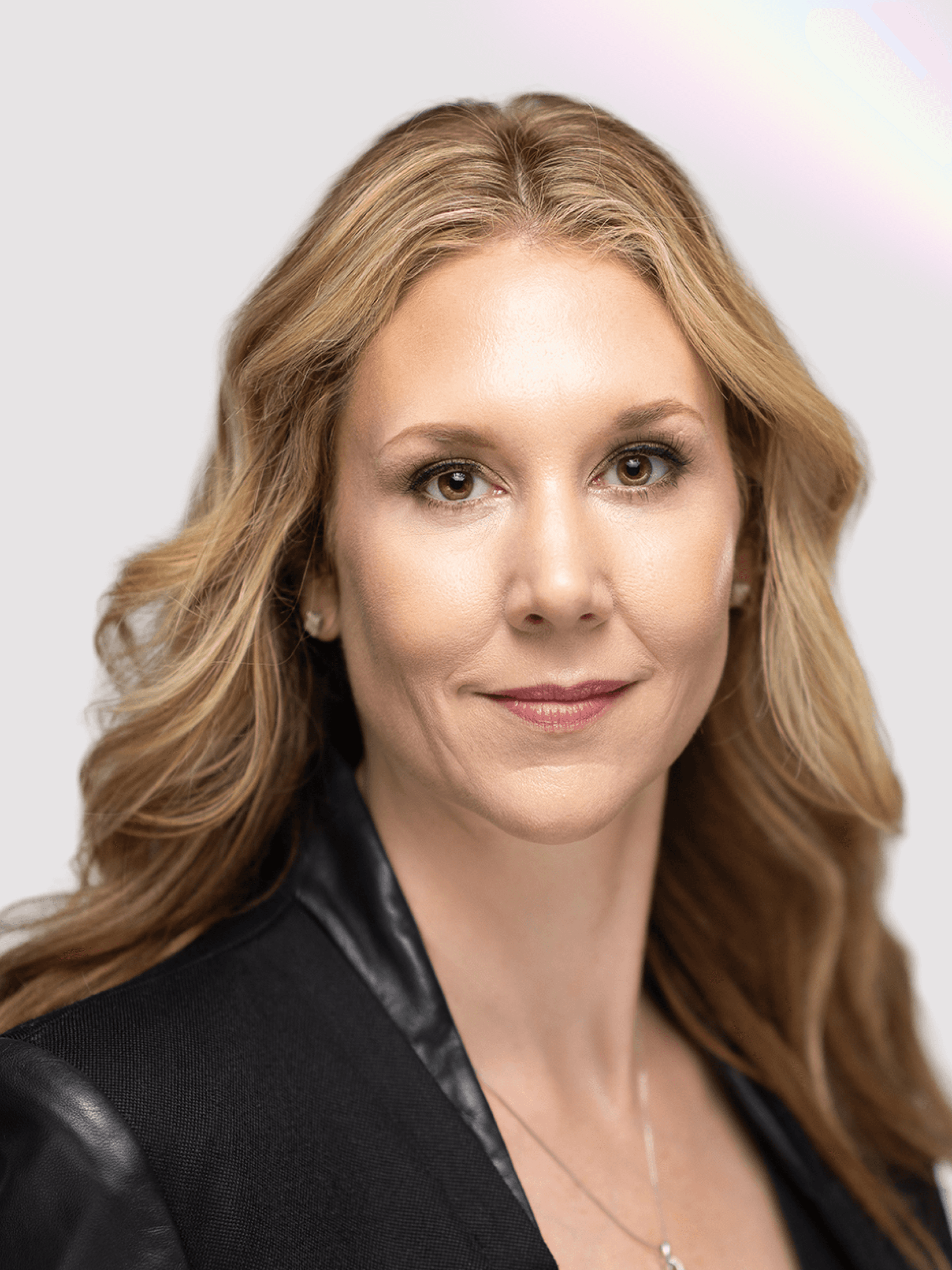
Nicole Richie
It took Nicole Richie five years to get blanket HIV exclusions removed from certain oncology trials, even with the data on her side - and after she moved divisions, they were added back. A cancer biologist by training, she's spent her career challenging eligibility criteria the industry keeps out of habit rather than necessity.

Karen Correa
Plenty of people in clinical research say "listen to patients." Karen Correa's push is one step harder: respond to them. Collect feedback, act on what you can, and when you can't, explain why - because input that vanishes into a black hole erodes the trust a trial runs on.
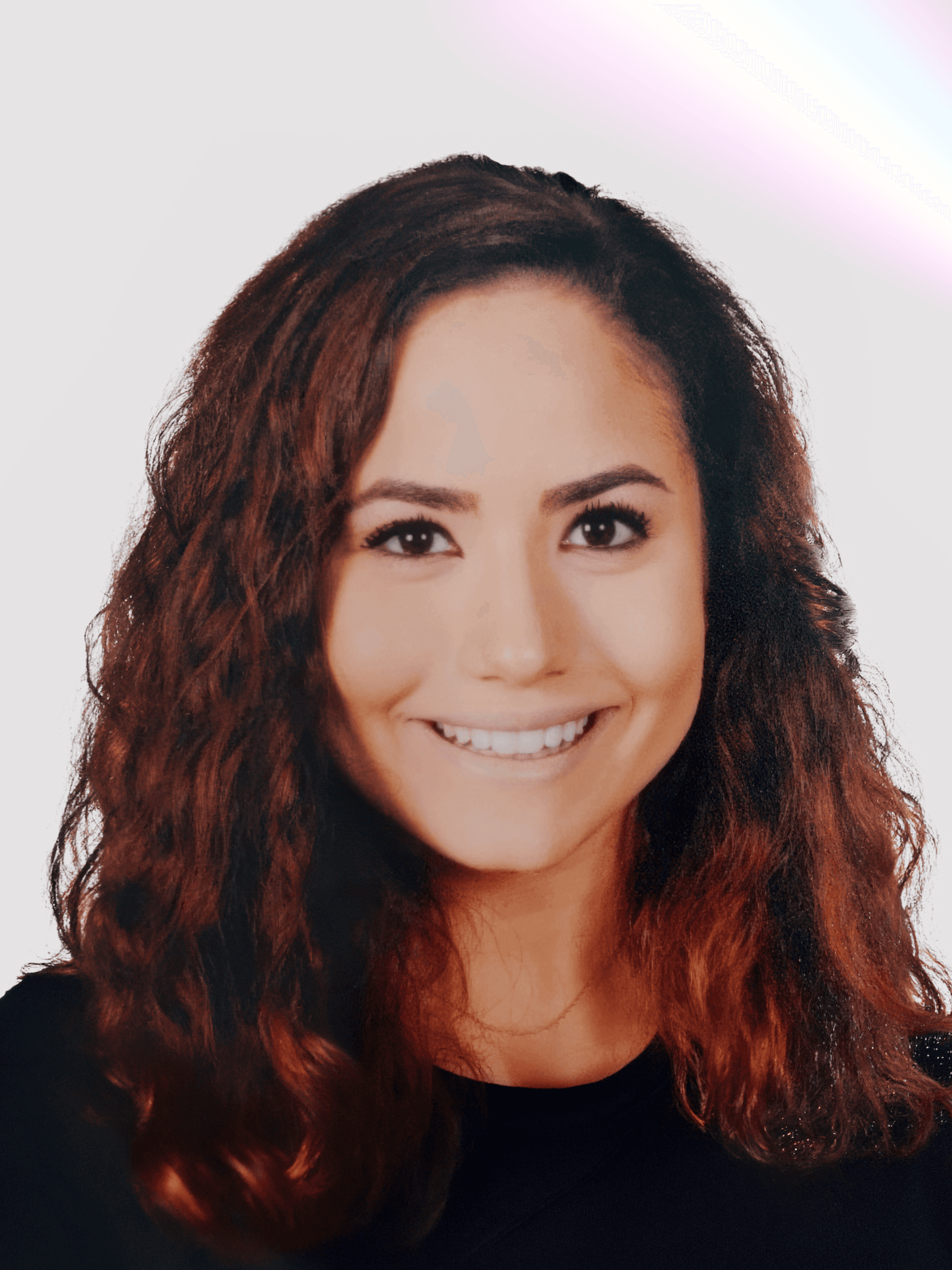
Sabina Goldstein
Sabina Goldstein-Becerra started as a classroom teacher and noticed children's voices rarely traveled beyond the classroom walls. Now she leads ICAN on a single principle: children aren't future stakeholders in their own healthcare, they're stakeholders now - and "engaging kids should be the standard."

Emma Sutcliffe
To Emma Sutcliffe, patient engagement is "a strategic asset, not the first thing to cut when timelines tighten." A Chief Patient Officer and founder of ISPEP, she's spent her career arguing that involving patients early isn't just good ethics - "it is good science."

Justin Buck
Justin Buck once heard a trial participant ask the question nobody on the protocol team had thought of: where do 18 boxes of refrigerated drug go in a family fridge? He's spent 15 years closing that distance - challenging protocol writers to go home and run their own study in their own house before asking a patient to

Natalie Page
Natalie Page is a patient engagement strategist and pediatric trial advocate with a career built on a single thread: making the complicated accessible. Starting out in healthcare communications, she moved into clinical research with a firm conviction that co-design doesn't end at the protocol, but has to carry through into how a trial is actually implemented, in real households, with real competing demands.

Jennifer McKenzie
Jennifer McKenzie is a pediatric nephrologist and clinical research leader whose nearly two decades of clinical care shaped a clear conviction: the patients a drug is designed to serve should help shape how it's developed. Now working in industry, she focuses on early patient involvement, breaking down organizational silos, and building the kind of cross-stakeholder collaboration that gets the right treatments to children faster.

Liz Hawes
Liz Hawes is a nurse and clinical research professional who has spent her career staying deliberately close to the patient. With a background spanning clinical care and research delivery, she believes the best trial design comes from lived proximity, not assumptions. Her work is driven by a simple conviction: patients trust the industry to get it right, and when it doesn't, that's not acceptable.
voting closes in
FEB 01 - MAY 31
Accepting nomination
The community puts forward the people making research more patient-aligned, and together we turn up the volume on their work.
JULY 13 - 31
Voting is open
Every nominee is already changing clinical research for the better - now it's the community's turn to celebrate them and choose who steps into the spotlight.
SEPTEMBER 15
The celebration
A night of real conversation and celebration at the MIT Museum, one of the world's great homes for bold ideas. Follow the event for your chance to be in the room.
Most trials are designed for "unicorn patients" who don't exist - patients with no comorbidities, unlimited availability, and perfect protocol fit. The reality? 80% of trials are delayed because we're designing for assumptions instead of real patient journeys.
This award celebrates the professionals who are changing that: the ones who bring patient voices into protocol design, who fight for feasible visit schedules, who challenge eligibility criteria that exclude the people who need treatments most. Whether through measurable impact or tireless advocacy, these are the people making clinical research more human.